Mobile phones in schools: Your questions, answered
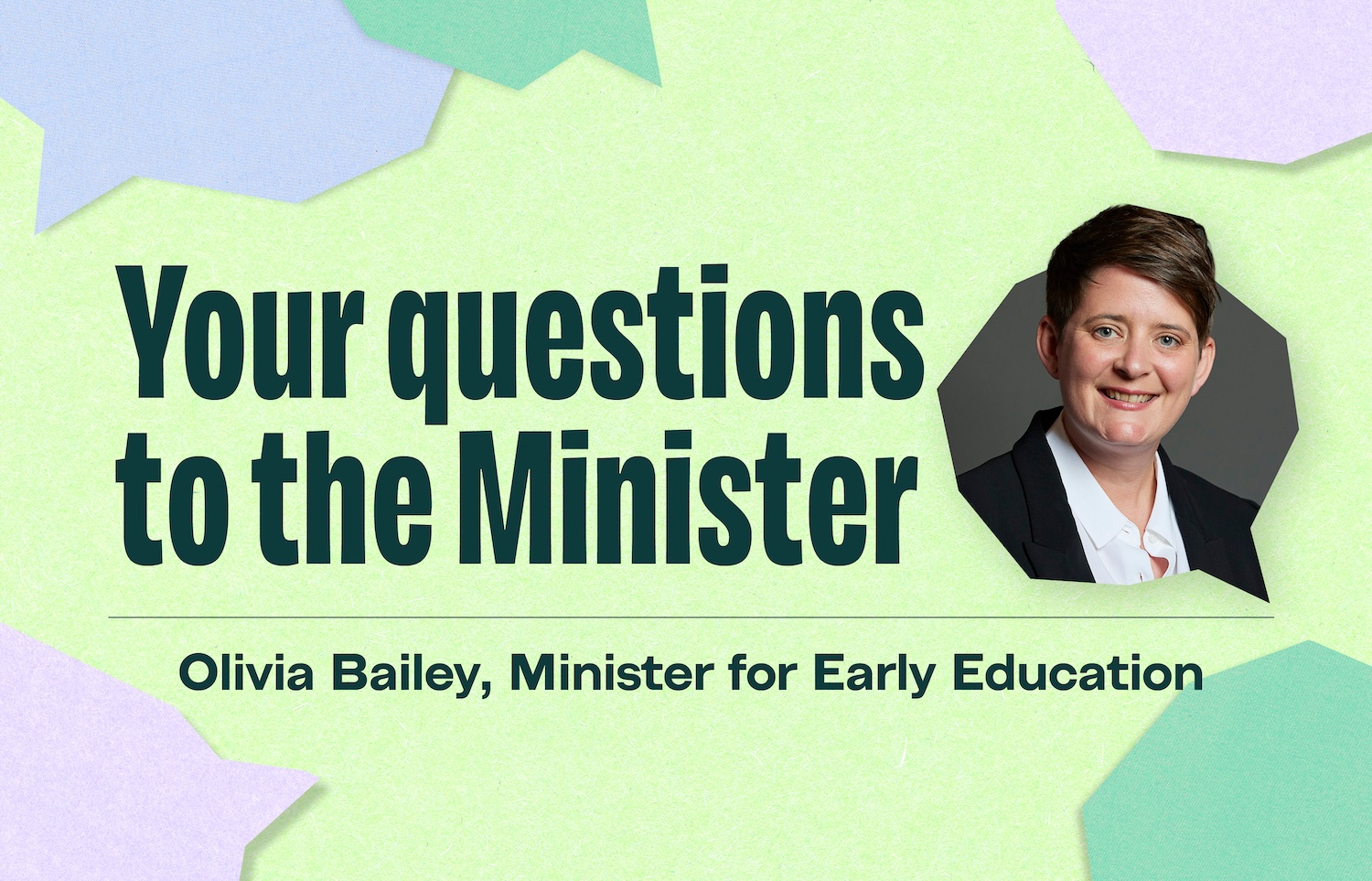
The SFC Schools Network sat down with the UK Government Minister for Early Education, Olivia Bailey, to discuss the new statutory guidance on mobile phones in schools in England.
This interview was an opportunity to get clarity on the current guidance and gain a fuller understanding of the policy detail.
We received hundreds of questions from across the SFC community. We put them to the Minister, and these were her answers.
Where we go from here
What the interview offers is an honest picture of the UK government's current position. In places, we know that position doesn’t go far enough.
There is still work to do, and we'll keep going. We'll keep making the case to governments across the UK to go further, pushing for a more ambitious approach to smartphone-free schools, and we'll keep raising the concerns teachers and parents across the community have shared with us.
The most powerful change has never depended on government alone. It is already happening in schools right now. Right across the country, schools are choosing to go further, moving beyond ‘no see, no hear’ to genuinely smartphone-free environments, and seeing the difference it makes for their pupils and their whole community.
That is where the biggest transformations are found, and we will keep supporting schools to do exactly that.
Additional questions: written responses from the Department for Education
We put a selection of additional questions from our community to the Department for Education. The responses below were provided in writing by departmental policy officials in July 2026, and are not the direct words of the Minister.
Q: What role will Ofsted have in supporting schools to uphold the guidance?
Ofsted will now check a school's mobile phone policy on every inspection, examining both what the policy says and how effectively it is being implemented.
For example, should an inspection find evidence that mobile phone use is contributing to behavioural issues, bullying or challenges to mental health or belonging, that school may not meet the expected standard for attendance and behaviour will not be met. Ofsted will consider this during inspections, consider their report and make changes
Q: How does the guidance apply to out-of-school activities, and what is expected of schools to keep children safe during them?
It is for schools to decide how they wish to manage the use of mobile phones by pupils on residential trips or trips outside of the normal school day. However, it’s important that they make sure that pupils' educational experience on a school trip is not disrupted by mobile phones, and we would urge them to consider prohibiting or restricting their use.
Q: What sanctions are schools legally permitted to use when a mobile phone policy is breached, and how far can they go? Can schools conduct spot checks to support implementation and enforcement?
It is for schools to decide the right sanction for breaching the mobile phone policy appropriate to the context, including confiscation and detentions.
Headteachers are backed by the Department to confiscate mobile phones and similar devices for whatever length of time they deem proportionate.
Headteachers, or staff they authorise, can search a pupil or their possessions where they have reasonable grounds to suspect that the pupil is in possession of a prohibited item. Headteachers can and should identify mobile phones and similar devices as something that may be searched for in their school behaviour policy.
Q: What support will schools get to teach digital literacy so that, alongside this guidance, children are learning to handle technology wisely?
Media literacy is already embedded across the school curriculum in computing, English, citizenship and RSHE. From September, our updated RSHE guidance will make sure pupils understand how social media works, including AI and deepfakes, how to challenge harmful or misleading content, and the risks of online misogyny and radicalisation.
From 2028, a new national curriculum will strengthen media literacy across multiple subjects, to give young people the critical thinking and digital confidence to navigate the online world safely.
Q: Can parents opt out of screen-based homework and ask for a paper-based alternative instead?
Not all screen use is equal. Educational use of technology is planned and overseen by teachers, and not the same as recreational screen time.
However, if parents have concerns about screen-based homework, they should raise them directly with their school. We expect schools to be responsive to parents' concerns and to use technology in ways that support learning rather than adding unnecessary burden.
Q: How will you make sure this guidance keeps pace as technology changes, and what is being done to protect children and young people from the emerging harms of AI?
Children deserve to grow up safe, with the tools and knowledge to navigate the digital world confidently – so we are taking decisive action to ensure AI works for them, not against them.
We are closing the gaps that have left children exposed online, preventing access to AI chatbots that offer sexualised or adult content, requiring proof of age for explicit features, and bringing currently unregulated chatbot services under the law for the first time. We will also require mandatory breaks for under-18s using chatbots, and we are working with DHSC, Ofcom and the MHRA to tackle dangerous and misleading mental health advice online.
We have committed to reviewing mobile phones guidance and making any necessary changes by September 2027. And through our new EdTech Testbed Programme, we will generate real evidence on how technology, including AI, can be used safely and effectively in our schools, because this government will do whatever it takes to ensure every child can benefit from AI safely.
Q: Can you explain how mobile phone guidance and DSIT’s social media announcement fit together, and what a parent should actually expect to change?
These are two distinct but complementary parts of the same overall approach. The mobile phones in schools guidance is about what happens during the school day, creating mobile phone-free environments so children can focus, learn and thrive without the distraction of personal devices. The social media announcement is about what happens outside school. Together, they mean that whether a child is in the classroom or at home, the environment around them is being made safer.
Q: How are schools to ensure phones are not used in toilets, given the need for those to be private spaces?
All schools should be mobile phone-free environments by default. Anything other than this should be by exception only. Our statutory guidance is clear - pupils should not have access to their phones at any point during the school day. How a school achieves that is for the headteacher to decide, but it must be by strong enforcement and consistent sanctions.